2024
Machine learning for biomedical data
AI Genomics and Digital Pathology
AI agents and machine-learning systems for pathogenic variant annotation, IGVF ecosystem analysis, large-scale WGS quality control, multi-omic integration, and digital pathology risk prediction.
Overview
AI Genomics and Digital Pathology
This direction builds local, auditable AI agents for biomedical discovery while staying grounded in statistical genetics, functional genomics, and disease biology. IGVFagent is a concrete example: an agent for discovering, retrieving, and analyzing data from the IGVF Portal, Catalog, Knowledge Graph, and related resources such as ENCODE and FAVOR through a Plan-Action-Results-Evaluation loop.
- IGVFagent: a local, auditable agent for structured knowledge-graph queries, portal and catalog retrieval, public-resource integration, analysis, tool use, and evidence checking.
- Agent orchestration that makes the reasoning path inspectable through Plan, Action, Results, and Evaluation stages.
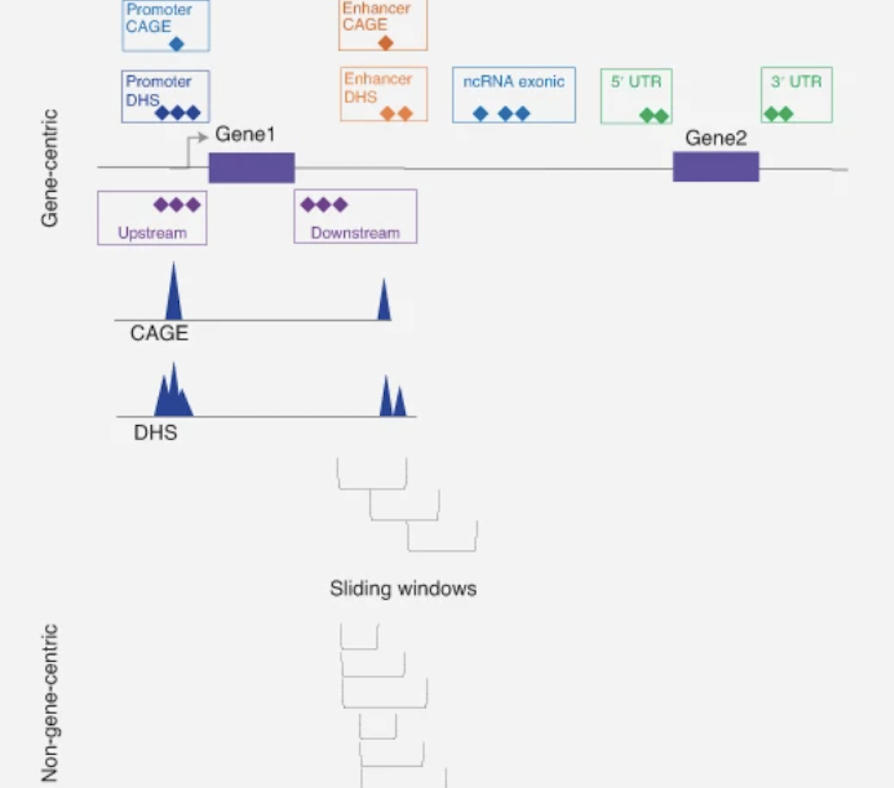
- Pathogenic noncoding variant annotation using statistical and neural-network models that integrate epigenetic marks, conservation, microRNA binding, and other multi-omic data.
- Automated WGS quality-control pipelines with variant-level and sample-level filters, anomaly detection, and batch-effect checks.
- Digital pathology work using H&E whole-slide images for tumor-region localization and 10-year progression-risk stratification in ER-positive, lymph-node-negative breast cancer.
- Graph-based and machine-learning approaches for regulatory-network reconstruction, protein-protein interaction modeling, pathway enrichment, and clinical multi-omic analysis.
Publications
Related work
Representative publications connected to this project.