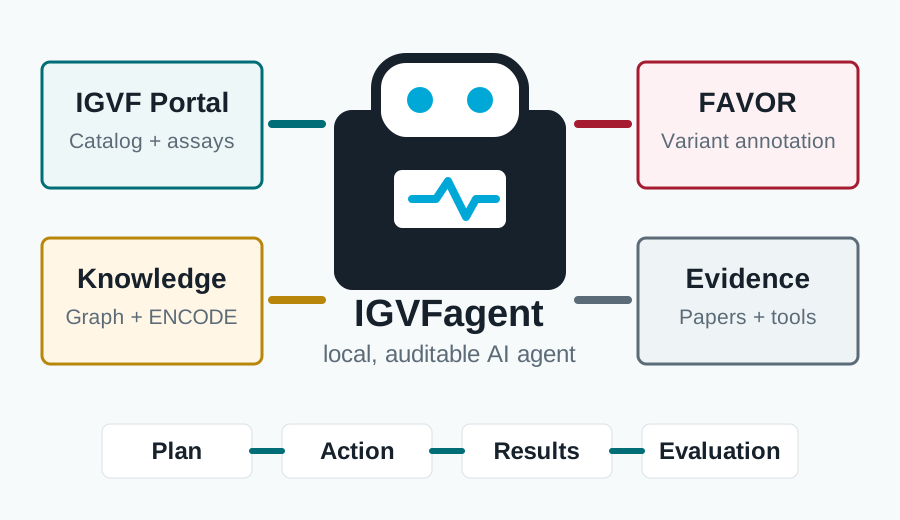
IGVFagent
A local, auditable AI agent for discovering, retrieving, and analyzing data from the IGVF Portal, Catalog, Knowledge Graph, ENCODE, FAVOR, and related public resources.
Learn moreTools and resources
Open and consortium-facing software for variant annotation, rare-variant association testing, pathway integration, and protein interaction analysis.
Portfolio
These tools support auditable AI agents, variant annotation, rare-variant association testing, pathway integration, and protein interaction analysis.
A local, auditable AI agent for discovering, retrieving, and analyzing data from the IGVF Portal, Catalog, Knowledge Graph, ENCODE, FAVOR, and related public resources.
Learn more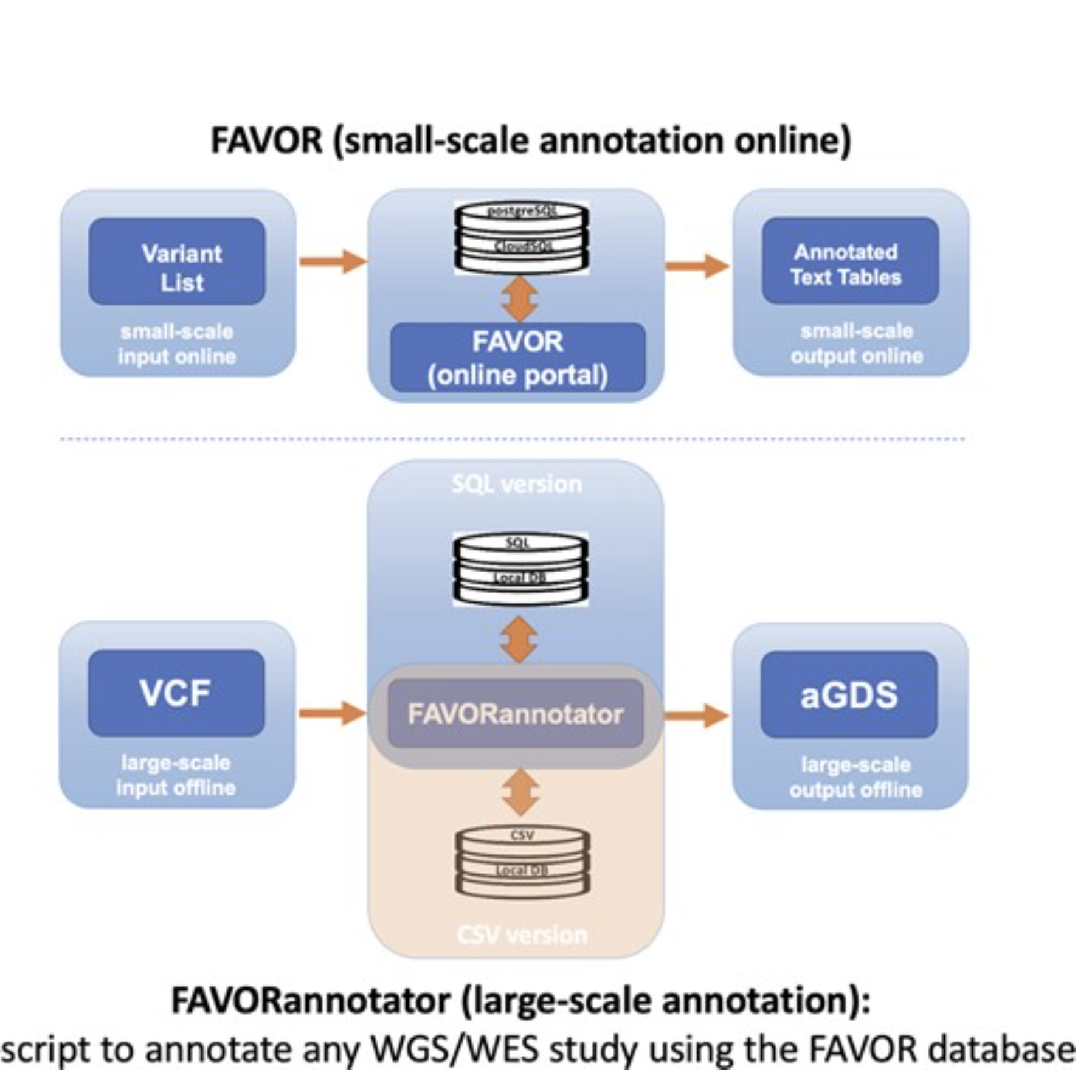
Functional Annotation of Variants Online Resource, including FAVOR 2.0, FAVORannotator, and FAVOR-GPT for genome-wide variant annotation, search, batch analysis, and interpretation.
Learn more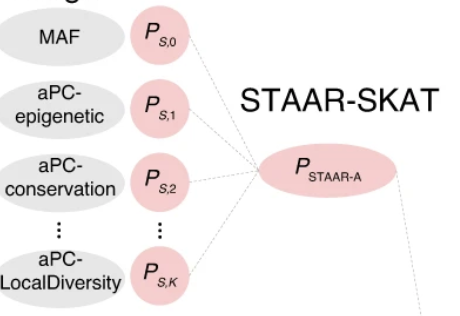
Annotation-informed rare-variant association testing for whole-genome sequencing studies.
Open resource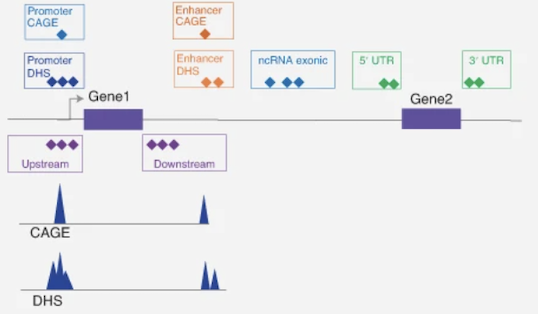
A scalable pipeline for coding, noncoding, gene-centric, and region-based rare-variant association analysis.
Open resource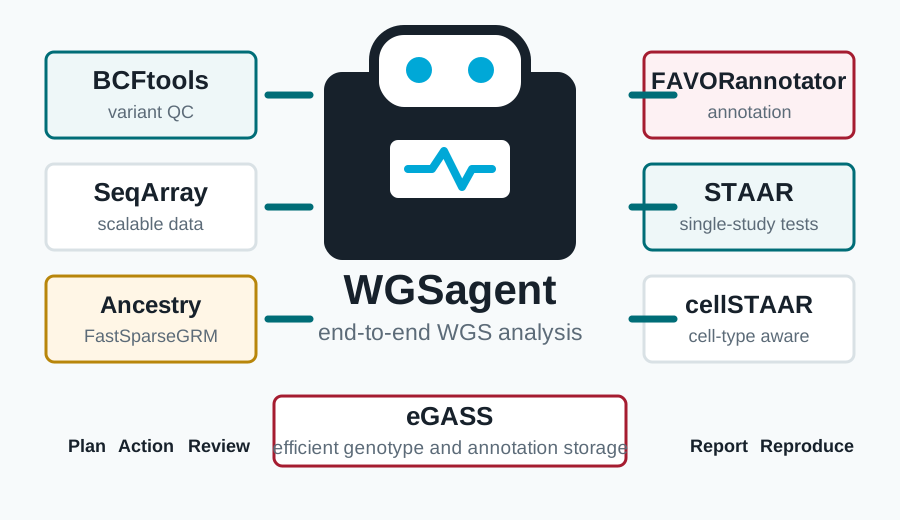
An autonomous AI agent for end-to-end whole-genome sequencing analysis, coordinating QC, ancestry and relatedness modeling, annotation, rare-variant testing, meta-analysis, cell-type-aware interpretation, eGASS storage, and human review.
Learn more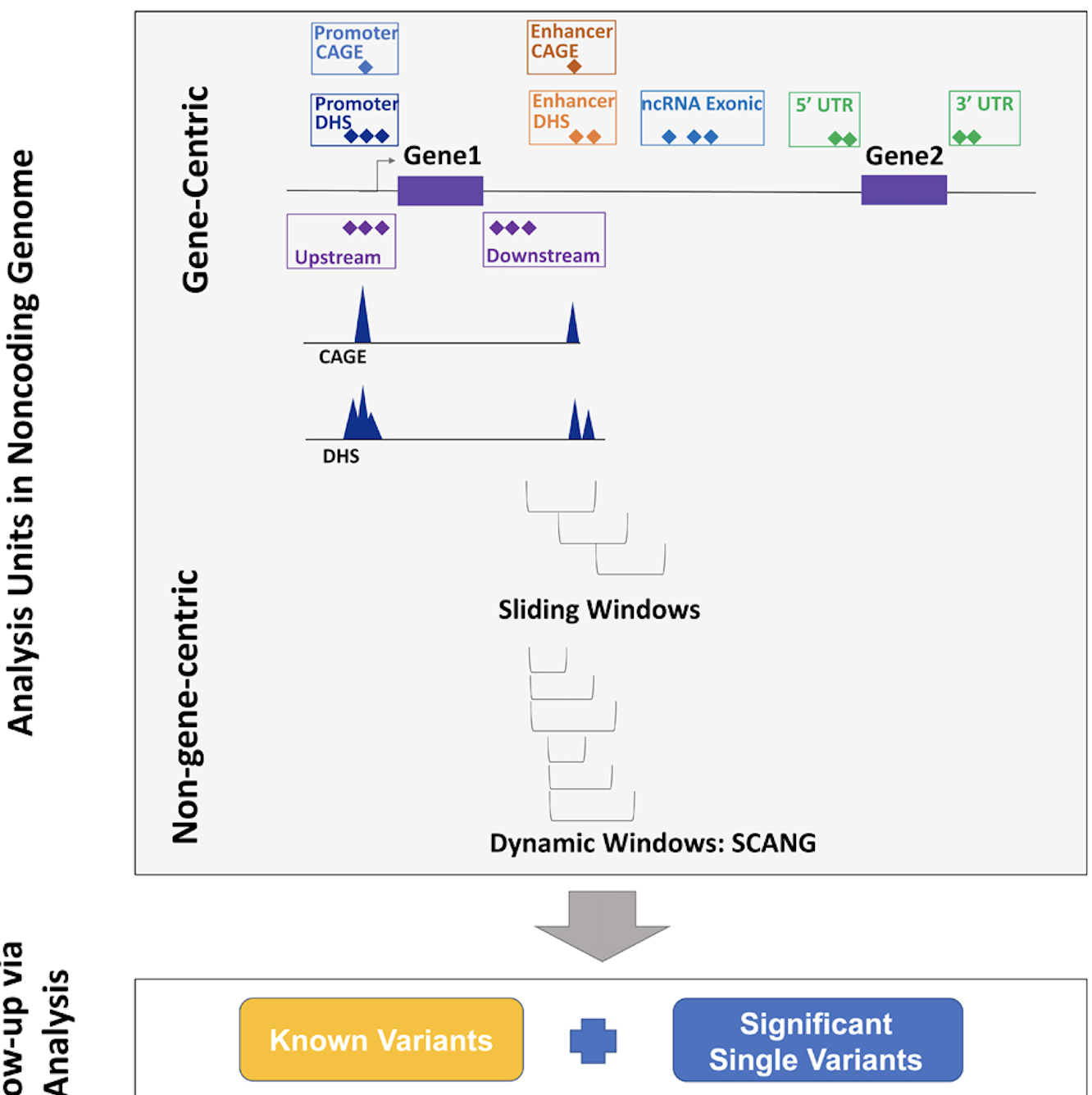
Single-cell-informed rare-variant association testing for noncoding regions, integrating functional data to improve power in whole-genome sequencing studies.
Learn more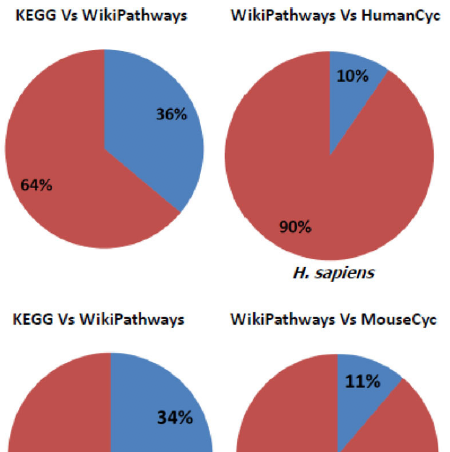
Integrated pathway gene relationship database for model organisms and important pathogens.
Learn more
Computational prediction and evaluation of intra-species and host-pathogen protein-protein interactions.
Learn morePrinciples
For a job-market page, software is framed as a research contribution rather than a side project.
Handle whole-genome sequencing data, large cohorts, consortium meta-analysis, and annotation resources that exceed ordinary desktop workflows.
Use auditable agent loops, functional annotation, visualization, and searchable resources so variant-level results become biologically meaningful.
Package methods as tools, portals, and reproducible workflows that collaborators can adopt in real studies.